
‘One University’: Jack Hunt’s Vision Continues to Shape the Future of Embry-Riddle’s Western Campus

 Keaton S. Ziem
Keaton S. Ziem
/
Keaton S. Ziem
Dec 23, 2025, 9:31 AM
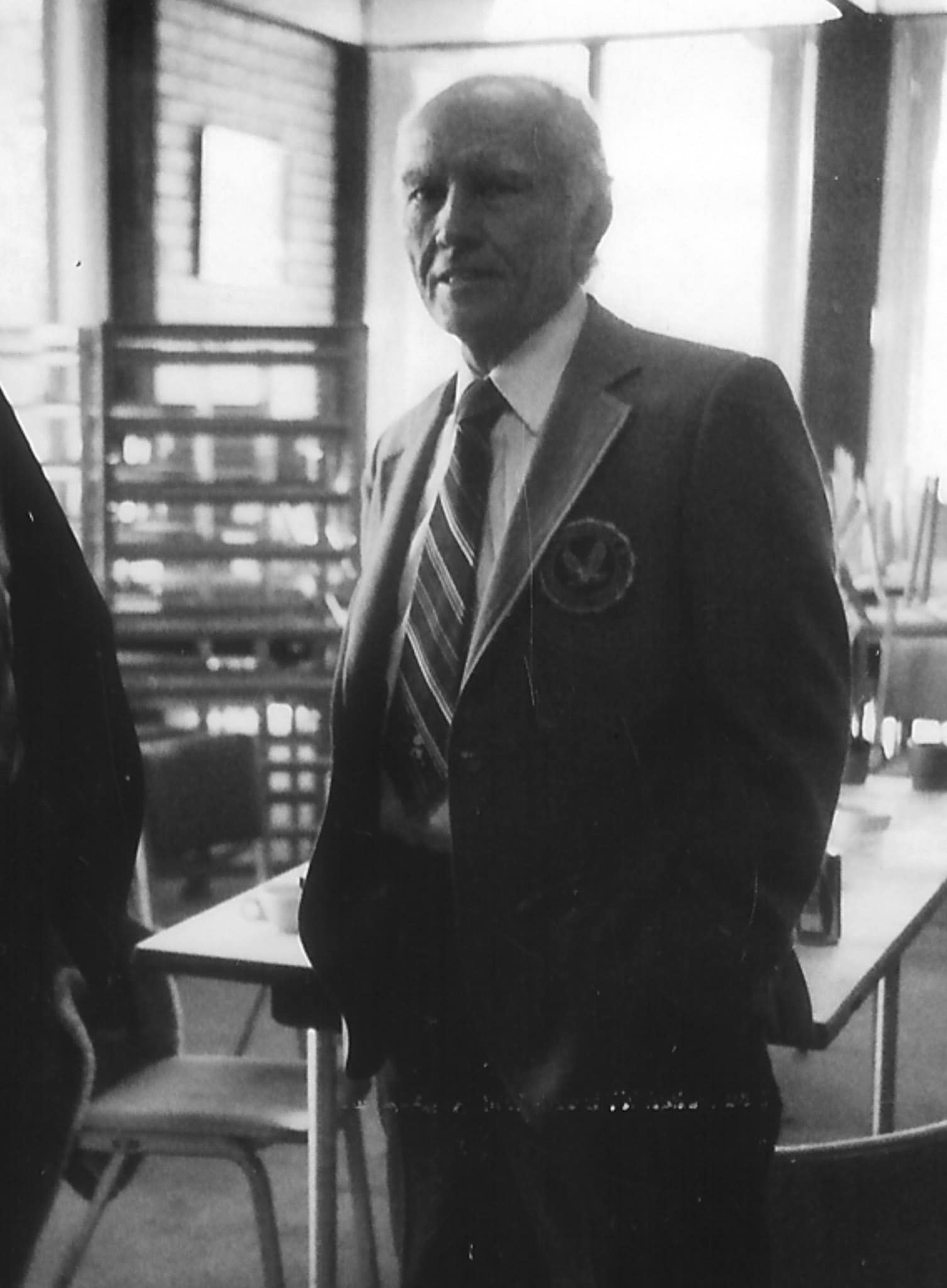 President Jack Hunt with Steve Rice, Director of Business, at the Prescott Campus. (Photo: Embry-Riddle)When Embry-Riddle Aeronautical University President Jack R. Hunt first walked the wind-carved hills north of Prescott, Arizona, in 1977, he found empty slump-stone dormitories and unpaved roads.
The property, once home to Prescott College, had been hastily abandoned.
“An opportunity such as this comes only once in a lifetime,” he told members of the Board of Trustees before finalizing the purchase of what would become Embry-Riddle’s Prescott Campus. “Others consider it a lost cause. For us, it’s a chance to grow beyond all our former expectations.”
Hunt saw something more in that vista — not only a campus but also “a long-term investment in growth, community and shared purpose,” said Prescott Campus Chancellor Dr. Ken Witcher.
Nearly 50 years later, glass-walled labs, vibrant green quads and classrooms humming with innovation fill the landscape. Thanks to Hunt’s vision, Embry-Riddle’s Prescott Campus now stands as a place where hands-on flight training, problem-based discovery across its undergraduate programs, and close faculty mentorship combine to prepare students for careers and advanced study.
“If he looked back on us now,” Witcher said, “he might say that ‘we took it further than he thought we ever would.’”
The Vision Takes Flight
When the Prescott Campus opened in 1978, about 240 students arrived, most pursuing aeronautical science or aeronautics. At nearby Ernest A. Love Field, a fleet of 15 new Grumman Tigers carried them into the wide Arizona sky as they began building a legacy from the ground up.
When the campus’s first provost stepped down after only a year, Hunt personally took charge of operations, flying west from Daytona Beach about once a month between 1979 and 1981 while searching for a permanent successor. His hands-on leadership helped the fledgling western campus take root.
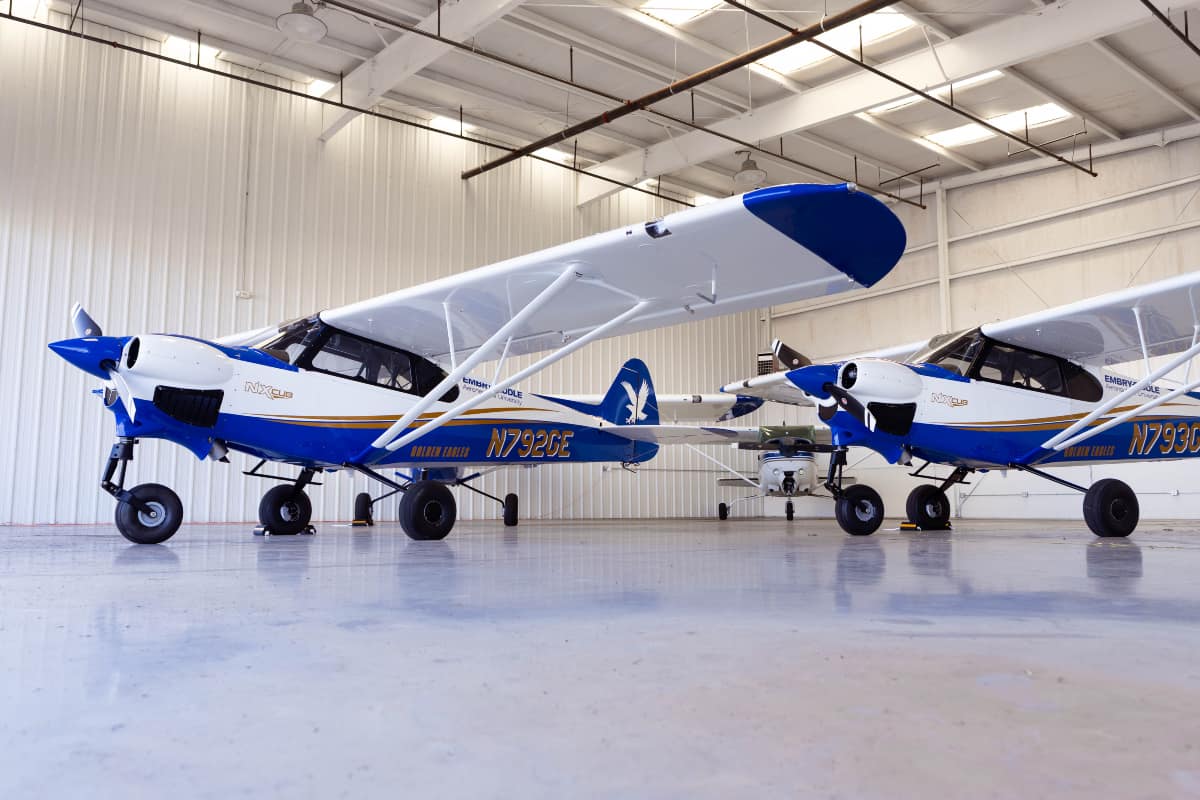 New CubCrafters NX Cubs await their next flight in the Prescott Campus hangar. The aircraft exemplify the continued evolution of Embry-Riddle’s Golden Eagles Flight Team and its legacy of excellence in the skies. (Photo: Embry-Riddle/Connor McShane)Soon students began shaping their own traditions and sense of identity — building organizations that reflected both teamwork and ambition. One of the first was the Golden Eagles Flight Team — founded in 1979 — which quickly became a source of campus pride and tradition.
Today, more than 90 aircraft support the university’s flight training program, while the Golden Eagles maintain their own dedicated fleet for competition. Among the team’s notable aircraft was Eagle Two — a longtime symbol of precision and teamwork — now retired to the San Diego Air & Space Museum as the team transitions to new NX CubCrafters models.
With 16 national championships and 39 consecutive regional titles, the Golden Eagles continue to set the standard for excellence in collegiate aviation.
“Our team continues to push the standard of professionalism in collegiate aviation,” said team captain Ethan Michon. “We’re proud to carry on a legacy built by decades of Golden Eagles before us.”
From Rough Roads to Pioneering Research
Those early years were marked by grit and determination. Reflecting on that period, Paul Daly — who would later become the campus’s first chancellor — recalled that Prescott was still finding its identity.
“We were dealing with dirt roads, someone else’s school and its reputation,” he said. “But with President Hunt’s support, we found our footing.”
Hunt always held a guiding vision.
“The Prescott Campus is a part of the one university,” he once said. “Each part of the university is the same as a member of a family.”
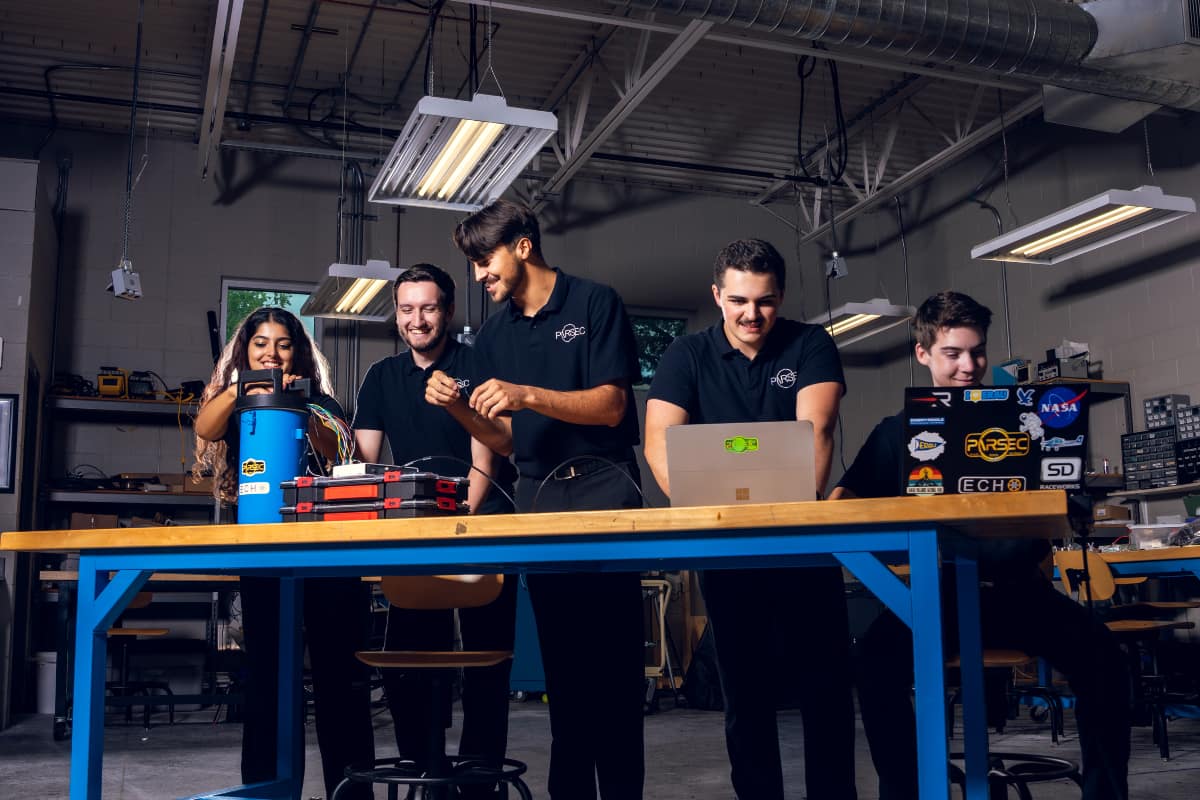 Student engineers from Embry-Riddle’s Prescott Campus PARSEC team collaborate on a prototype for their award-winning spacecraft fuel-gauge system, which earned first place in NASA’s 2025 Human Lander Challenge (HuLC). (Photo: Embry-Riddle / Connor McShane) Where there were once unpaved roads and borrowed dormitories, there is now a thriving university community. Today, more than 3,200 students pursue degrees in 25 undergraduate and two graduate programs.
Students lead research in cybersecurity, space physics and aviation safety, often partnering with faculty and industry on real-world challenges.
“Research changes the way our students think,” said Dr. Anne Boettcher, assistant dean of Research and director of the Undergraduate Research Institute. “They learn to ask deeper questions, test ideas and communicate their findings.”
Through the institute, more than 50 student-led projects are showcased annually in aviation, aerospace and space.
“These skills serve them whether they’re piloting aircraft, designing satellites or pursuing graduate study,” Boettcher added. “That process of discovery is where transformation happens.”
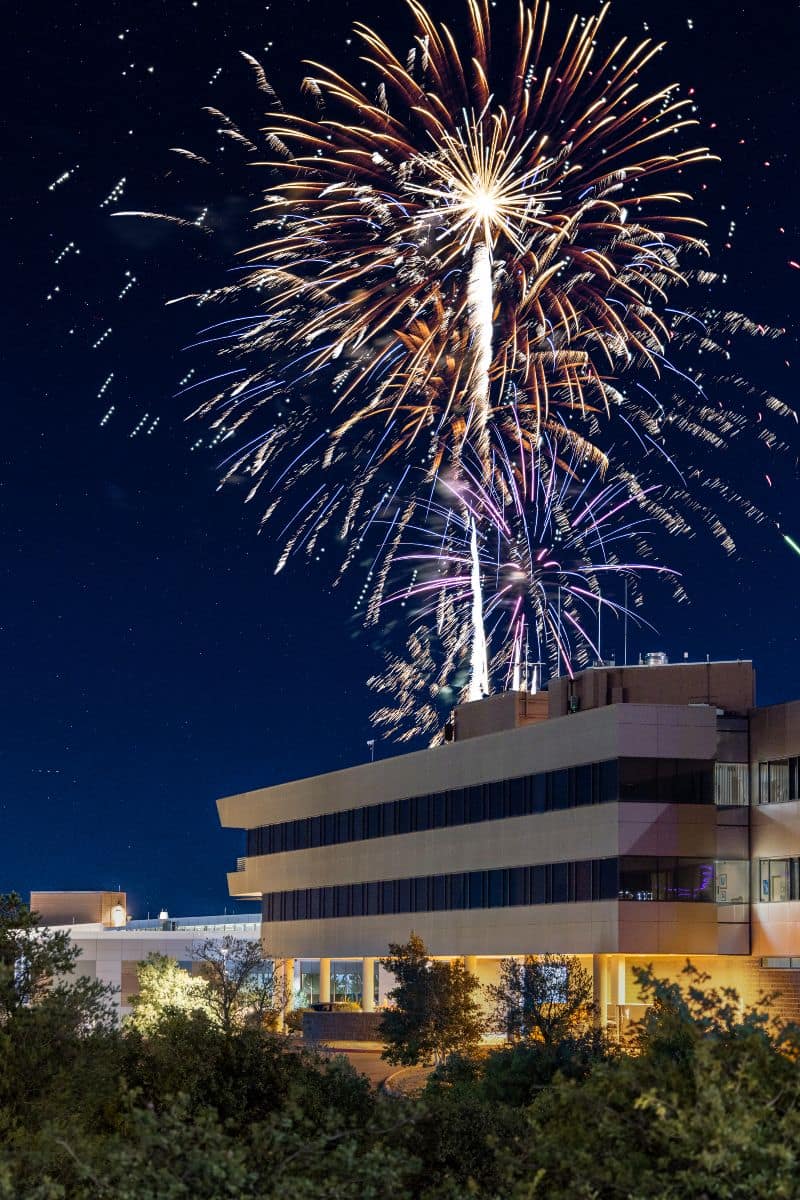 As Embry-Riddle celebrates its centennial, the Prescott Campus continues to lay the foundation for the future. (Photo: Embry-Riddle/Connor McShane)
Carrying the Vision Forward
At the Prescott Campus. a new student union, residence hall and additional academic facilities are on the horizon — spaces designed to spark connection, creativity and the kind of collaboration that defines the Embry-Riddle experience.
“The Prescott Campus has always been defined by a spirit of exploration,” said Dr. Jennah Perry, dean of Student Success. “As we look to the next hundred years — whether it’s in the air, in the lab or in our surrounding community — we’re focused on helping every student find their own horizon and reach it,” Perry said.
Since Hunt first surveyed the Arizona hills, Embry-Riddle’s destiny continues to unfold across multiple campuses.
“He really envisioned that from the beginning,” Chancellor Witcher said. “Daytona Beach, Prescott and Worldwide — each with its own strengths, but all part of one Embry-Riddle family that’s truly better together.”
Hunt, however, would be most proud of the generations of Eagles who have set foot on the Prescott Campus — and will continue to do so.
“Every generation of students who comes here adds to his vision,” Witcher said, “shaping not just Embry-Riddle’s future, but their own.”