
Q&A: Former President Steven Sliwa Reflects on Embry-Riddle’s Growth, Achievements at its 100th Anniversary

 Melanie Stawicki Azam
Melanie Stawicki Azam
/
Melanie Stawicki Azam
Mar 23, 2026, 9:17 AM
When Dr. Steven Sliwa became the third president of Embry-Riddle Aeronautical University in 1991, he was 36 years old and the youngest president of a U.S. university at that time. Sliwa, who has a Ph.D. from Stanford University, was also the first Embry-Riddle president to have expansive experience in research and development, from advancing NASA research to founding startups.
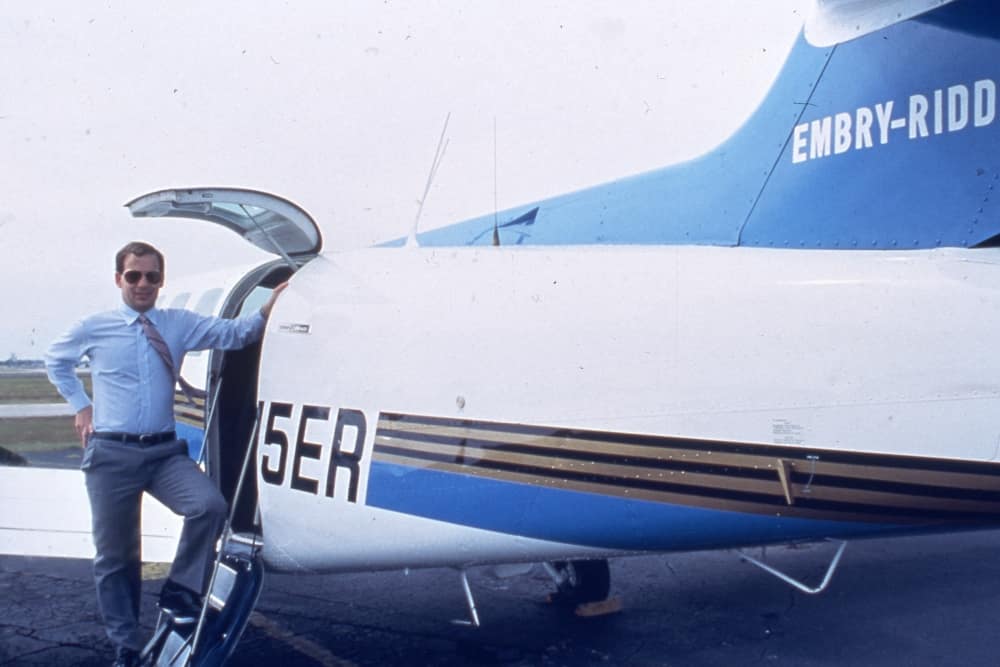
When Sliwa became the third president of Embry-Riddle in 1991, he was 36, the youngest university president at that time. (Photo: Embry-Riddle Archives)
During his seven-year tenure, Sliwa brought business knowledge and started the job focused on making industry connections to benefit the university and take its residential campuses to the next level. The university embarked on a joint venture with FlightSafety International and negotiated a partnership with Cessna to purchase aircraft. Sliwa also formed a technology alliance with IBM and chartered an educational partnership with the Aircraft Owners and Pilots Association.
Both the Daytona Beach and Prescott campuses grew under Sliwa’s leadership, adding new facilities. Sliwa was also a strong supporter of Embry-Riddle’s Athletics program.
As Embry-Riddle celebrates its centennial, Sliwa reflected on his time at the university and how Embry-Riddle has changed and grown in the past 30-plus years.
Looking back, what were the biggest accomplishments during your tenure as Embry-Riddle’s president from 1991 to 1998?
When I got there, the university was developing a strategic plan for what it was going to grow into and a vision that we could all get behind. We had to earn our position in the marketplace, so I brought some business skills to bear to help make that happen. We got student enrollment up, upgraded our programs, made a lot of investments and adopted a strategic vision that put us on a path of success for both the students and the faculty.
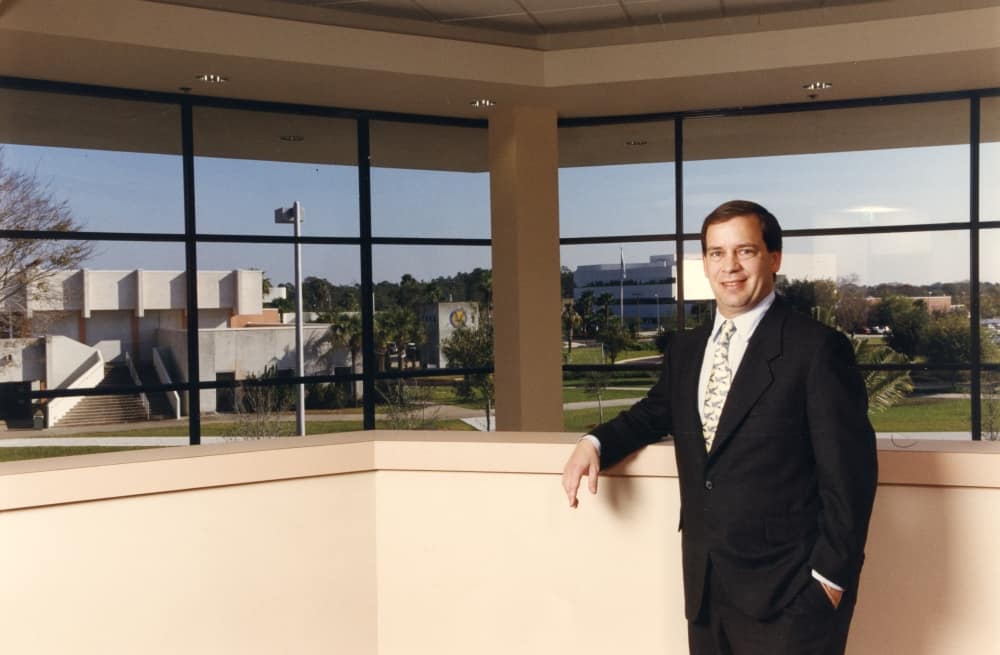
The Capt. Willie Miller Instructional Center was constructed on the Daytona Beach Campus in 1995. It was one of several facilities built during Sliwa’s tenure. (Photo: Embry-Riddle Archives)
As Embry-Riddle’s third president, you are best known for creating an entrepreneurial environment and developing strategic partnerships with industry. How did you achieve those partnerships and why were they important?
Sometimes universities think of themselves as just academia and don’t realize they are also valuable businesses. So, every time we did any kind of big project, we always tried to find out ways where it would be a win-win for both sides.
You are a big supporter of Embry-Riddle Athletic programs, scholarships and facilities — why is that a priority for you?
When I got here, I think about only 25 percent of students lived on campus. I really wanted Embry-Riddle to be more of a residential campus, increase the number of female students and create more of a collegiate atmosphere. And I thought athletics and sports would be a good way to do that.
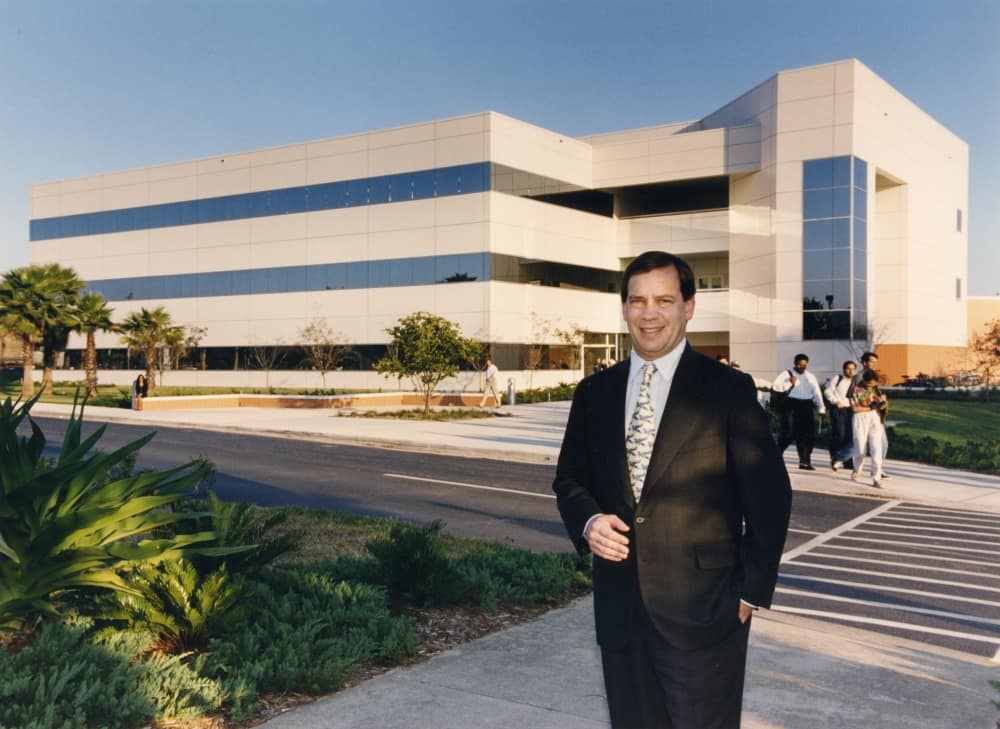
Sliwa in front of the Lehman Engineering and Technology Center, which was also constructed in 1995. (Photo: Embry-Riddle Archives)
What are some of your favorite memories of your time at Embry-Riddle?
For me, the most important thing was the interactions I had with the students. I taught a leadership and entrepreneurship course every spring semester in the business school and had fun cheering our students on at athletic events on campus. Whenever things were a little bit rough in trying to deal with balancing the budget and all that sort of stuff, if I just went and spent time with the students, I would feel like it was all worth it.
You and your wife, Nancy, personally give back to the university, supporting three endowed funds for student scholarships and student athletes. Why do you give to Embry-Riddle?
I’m passionate about Embry-Riddle’s mission and the students, and I feel that commitment. I spent a lot of time fundraising when I was there.
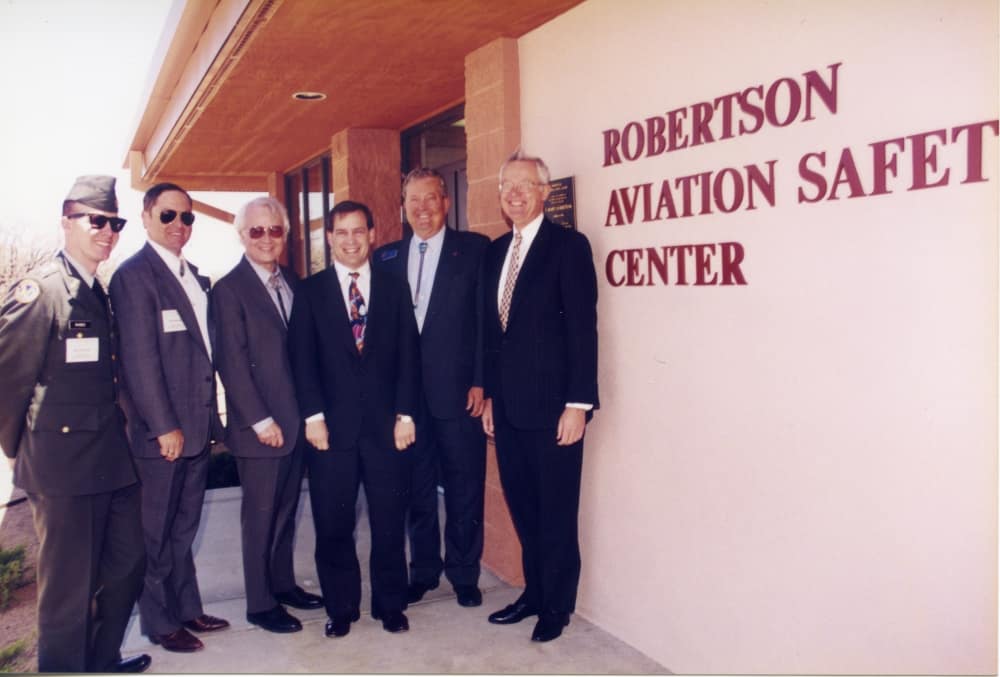
Bratt Rhodes, Bill Waldock, Stephen Kahne, Sliwa, S. Harry Robertson and James O'Connor attend the Robertson Aviation Safety Center dedication on April 19, 1996, at the Prescott Campus. (Photo: Embry-Riddle Archives)
Nancy and I both feel like Embry-Riddle is one of our kids. We contribute to three endowed funds and have made commitments to take them to a higher level as part of the new centennial comprehensive campaign.
What do you see as the importance of Embry-Riddle’s centennial? And what do you think the future holds for the university?
Making it to 100 years is a huge milestone for the university — and to be in such a good position with all three campuses healthy, respected, making lots of contributions to the industry and really being transformative for our students — that’s something really remarkable, and I’m proud to be associated with helping the university at one of its critical points along that path.
As part of Embry-Riddle's history, how would you like to be remembered?
I hope people will think I was the right president at a critical time in Embry-Riddle’s history, and I helped make changes that assured the future. I think I’ll be remembered as a president who was really focused on the students. I tried to understand what made them unique and make sure the university adapted to fully help them achieve their dreams.